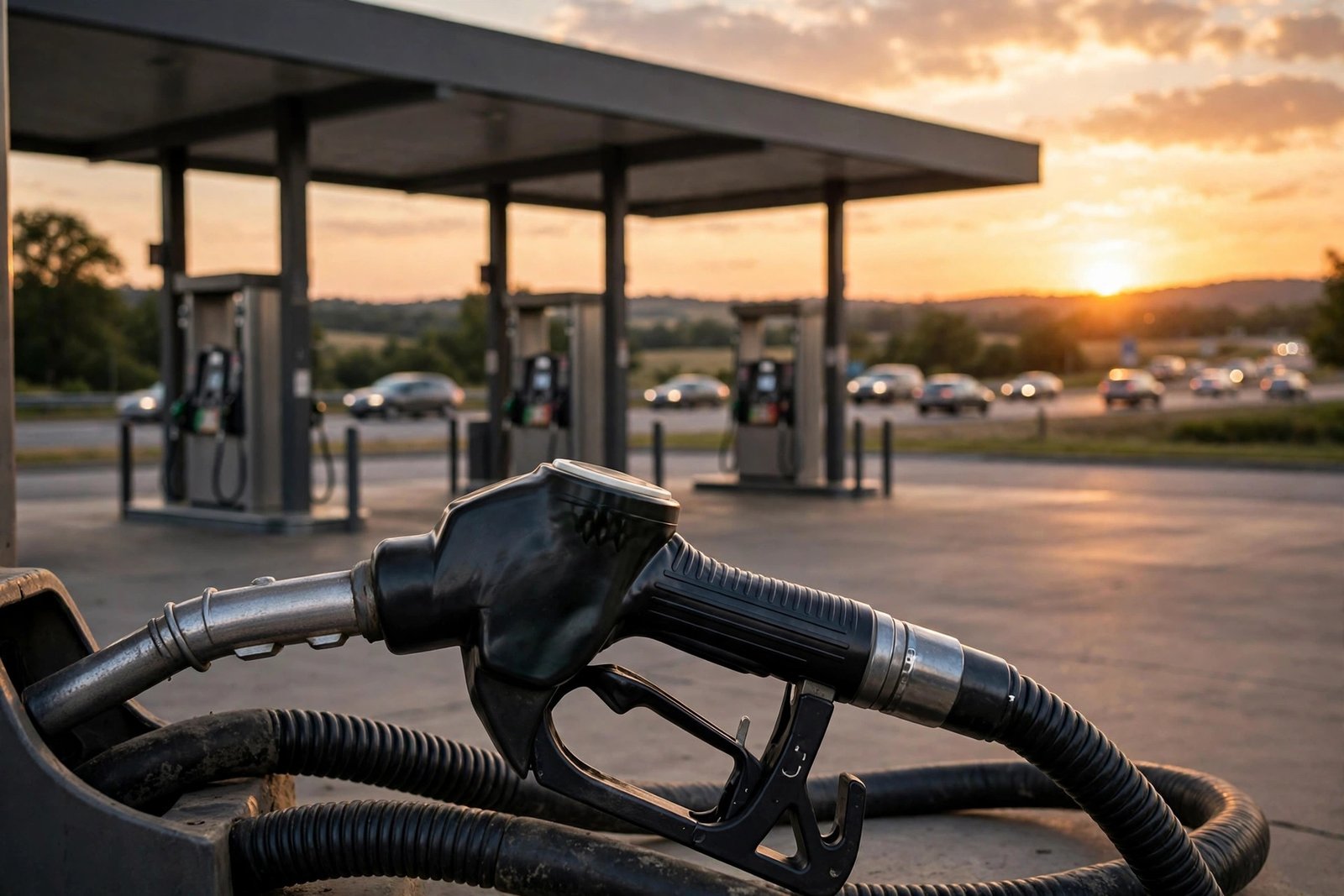
In the same phone interview with Fox News after the Democrats’ election wins, President Donald Trump turned to the economy and summed up his argument in a single line: “It’s not a war, it’s a gasoline price!”
It was a striking way to put it, and it told you a lot about how Trump sees American politics. For all the talk in Washington about foreign policy, wars, and big global questions, he was saying that most voters were thinking about something much closer to home — what it costs to fill up the car.
Gas prices have that kind of power in American life. For most families, the price at the pump is not an abstract number. It is something they see every week, sometimes several times a week, in big figures on a sign by the road. When it goes up, people feel it straight away. When it goes down, they notice that too. It affects the weekly budget, the drive to work, the school run, and the cost of almost everything that is delivered by truck.
That is why politicians of both parties talk about gas prices so much. It is one of the few economic issues that almost every voter experiences in exactly the same way, whether they live in a city or a small town, whether they drive an old car or a new one. You do not need to follow the stock market or read an economics report to know how you feel about the price of gas. You just look at the pump.
Trump’s line also carried a second message. He was pushing back against the idea that the election was decided by foreign wars or by events overseas. In his telling, the election was decided by the cost of living at home. Voters, he seemed to be saying, were not voting on distant conflicts. They were voting on what life costs right now — and gas is the most visible part of that.
Whether you agree with him or not, there is a real argument underneath the slogan. Elections in America are often fought on kitchen-table issues. Jobs, rent, food, and fuel matter more to most people than the debates that fill cable news in Washington. A president can talk about strength abroad, but if families feel squeezed at home, they will say so at the ballot box.
Trump has used that dynamic to his advantage before, and he was using it again in this interview. By framing the election around gasoline, he was framing it around an issue he believes works for him — the cost of everyday life, and the promise that he can bring it down.
The Democrats, for their part, would tell a different story about the economy. They would point to wages, jobs, and other measures and argue that the picture is more complicated than one price at the pump. That argument will keep running through the next two years, because the cost of living is not going away as a political issue.
But on the morning after the vote, Trump had already chosen his line. It was not about a war. It was about gasoline. And in a country where almost everyone drives, that is a line almost everyone understands.